header.jpg

Ronald Chesney

Home
Event news UPDATED 12th MARCH
NEW Guestbook and poll for March
MESSAGE BOARD updated 11th March
OTB on TV updated 11th MARCH 2010
SPECIAL OFFER Collectors Item multi region dvd's
HONORARY MEMBERS PAGE updated 13th Feb
NEW! FAN PAGE updated 11th March
YOUTUBE CLIPS UPDATED 7th Feb
Memories and articles updated 10th Jan
OTB BOOK LAUNCH 2009
Book Launch page 2009
Book launch 3 NEW photos addedNOV
2009 FAN CLUB EVENTS
2009 morning events page 2
Afternoon Event
Robert's Sunday tour new link added 16/ 07
2008 Club event
Holiday ON THE BUSES Event 2004
Plaque Event page 2
OTB You Tube links
Ronald Chesney
Ronnie Wolfe
Bryan Izzard/Izzy
Stuart Allen Producer/Director
Reg Varney/Stan
MEETING REG VARNEY 2005
Bob Grant/Jack
Stephen Lewis/Blakey
Michael Robbins/Arthur
Anna Karen/Olive
Cicely Courtneidge
Doris Hare/Mum
Quick Episdoes Guide
LINDA REGAN
Harry Fielder/ SUPPORTING ARTIST
Terry Duggan
Albert Moses
The Series
SEASON 1
Season 2
SEASON 3
SEASON 4
SERIES 5
SERIES 6
Series 7
REG VARNEY's Career
Reg Varney obituaries
Stephen Lewis chats about ON THE BUSES
STEPHEN LEWIS panto 1982
Memories from Doris's Grandson
The Clippies
The Buses and Bus Depot
More about the Buses
Movie Posters
ON THE BUSES MOVIE
MUTINY ON THE BUSES
Wendy Richard
Movie locations
Movie location photo gallery
Holiday ON THE BUSES
Kate Williams/Nurse in Holiday
HENRY McGEE
Wilfred Brambell/Bert in HOLIDAY
Michael Sheard depot manager
Ron Savage Hon Member
J P Trevor Honorary Member
Geoff Unwin Honorary member
Guest Stars
Pontins 1970's
Pontins Plaque page 2
PONTINS past and present
ON THE BUSES TVTIMES
Look In
Magazine Covers
NEWS PAPER ITEMS
Famous Bus Man Tommy
Overseas DVD covers
OTB SHOP
Buy ON THE BUSES DVD's AND VHS VIDEOS
Your Emails new for OCT 09
Paul Burton Page
Boreham Wood and Elstree Times
BOREHAMWOOD AND ELSTREE TIMES 2
Borehamwood and Elstree Times 3
Favorite Links updated 29th Jan
Buses and Museums updated 15TH FEB
LINKS PAGE

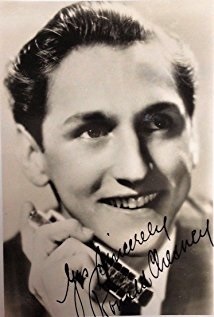
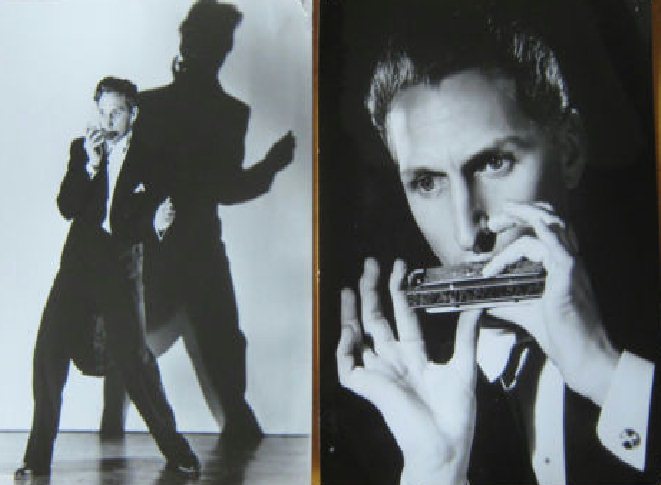
Ronald Chesney was born in 1920. He left school at 16 and became a professional harmonica player. During World War II he was declared unfit for active service after a serious illness, but entertained troops all over the world.

RONCHES.jpg
After the war he began writing an appearing in radio shows for the BBC. This is where he meet his long term writing partner Ronald Wolfe. Their first TV success was The Rag Trade starring Reg Varney. In 1969 they had written a series that was to lead to great success.  This was called ON THE BUSES. This was also to lead to the biggest money making movie of 1972 again called ON THE BUSES a spin of from the hugely popular show. In 1973 both writers visited America and wrote a series for the American market called Lots of Luck It involve a character playing a lost and found attendant at a BUS DEPOT.Ronald Chesney is married with two children.
Ronald Chesney was and still is a world famous Harmonica player and past President of the National Harmonica Leauge (NHL).
He was one of the artists apperaing at the (NHL) Festival in October 2004
This  article from the British Film Institute web site http://www.screenonline.org.uk/
 
It was the radio show Educating Archie (BBC, 1950-60), featuring the ventriloquist Peter Brough, which was responsible for bringing together the future writing partnership of Ronald Wolfe and Ronald Chesney. Chesney, with his 'talking harmonica' novelty act, had been performing on the show since its inception when, in 1955, comedian Wolfe joined the series as a scriptwriter.
When Educating Archie was first adapted for television, as a comedy special called Here's Archie (BBC, tx. 30/5/1956), Wolfe and Chesney retained their respective radio roles of writer and performer. However, with the subsequent television series, Educating Archie (ITV, 1958-59), Chesney, having abandoned performing, began to contribute to the writing, with either Wolfe or a young Marty Feldman. In 1959, all three also began to work together on the writing of the radio series.
While Feldman was soon to depart to write with Barry Took, Wolfe and Chesney remained together to form an enduring writing partnership. For Sidney James they created the BBC radio series It's a Deal (BBC, 1961), before returning to television the same year with their first and, in the event, one of their most popular sitcoms, The Rag Trade (BBC, 1961-63).
Possibly influenced by the prevalent 'kitchen sink' strand in British cinema, the series was set in a working environment (at that time a novel setting for a sitcom) - a garment factory - and was centred on the relationship between management (in the form of Peter Jones) and workers, headed by the shop steward (Miriam Karlin). Much to the surprise of BBC managers, who were not convinced that the public would want to watch a sitcom situated within a work environment (perceived as being too 'everyday' to most viewers), the series became one of the corporation's biggest comedy successes of the period.
Wolfe and Chesney were to remain with the BBC throughout the 1960s, creating a further four comedy series for the corporation, including Meet The Wife (1963-66), a very popular domestic sitcom starring Freddie Frinton and Thora Hird.
Their only work away from the BBC before 1969 was their writing of the first six episodes (of 13) of the Australian series Barley Charlie (1964), another sitcom based around relationships in the workplace, with two sisters inheriting a run-down garage, complete with its one idle employee.
For their first ITV series, On the Buses (1969-73), Wolfe and Chesney turned again to the workplace, adopting a similar narrative structure to that of The Rag Trade, with bus drivers Stan (Reg Varney) and Jack (Bob Grant) constantly outwitting management, this time in the form of bus inspector 'Blakey' (Stephen Lewis). Crude and vulgar it may have been (with Stan and Jack an improbable pair of middle-aged sexual magnets to any passing female); it nevertheless drew large viewing figures, making the series the most popular sitcom Wolfe and Chesney ever wrote.
While many British sitcoms of the 1970s led to spin-off feature films, such was the popularity of On The Buses that it gave rise to three: On The Buses (d. Harry Booth, 1971), Mutiny on the Buses (d. Booth, 1972) and Holiday on the Buses (d. Bryan Izzard, 1973), all written and produced by Wolfe and Chesney.
Following On The Buses, the pair wrote seven more sitcoms over the next eight years for both the BBC and ITV, including Don't Drink the Water (ITV, 1974-75), a sequel to On the Buses, with 'Blakey' at centre stage as he retires to live in Spain; an ill-advised return to The Rag Trade (ITV, 1977-78), with Peter Jones and Miriam Karlin reprising their original roles; and their final effort, Take a Letter, Mr Jones (ITV, 1981), starring John Inman as an unlikely secretary to a high-flying female executive (Rula Lenska).
The popularity of their most successful works was not limited to Britain, with some of the duo's series being remade in a number of different countries, particularly the perennial The Rag Trade, an adaptation of which was still being produced in 2003 for South African television. Wolfe and Chesney themselves were credited with the screenplay of Fredrikssons Fabrikk (1994), the feature film spin-off of Norway's own television version of the garment factory comedy.
John Oliver


SHOWS AS A PERFORMER

Entertaining the troops 1939-1945
Here's Archie UK 1956
Music for The Millions  1960 with Reg Varney and Shirley Bassey

AS A WRITER

Educating Archie UK 1958
The Rag Trade UK 1961
Meet The Wife UK 1963
The Bed-Sit Girl UK 1965
Sorry I'm Single UK 1967
According To Dora UK 1968
Wild, Wild Women UK 1968
On The Buses UK 1969
The Other Reg Varney UK 1970
Romany Jones UK 1972
Lottsa Luck USA 1973
Don't Drink The Water UK 1974
Yus My Dear UK 1976
The Boys And Mrs B UK 1977
The Rag Trade UK 1977
Watch This Space UK 1980
Take A Letter, Mr Jones... UK 1981
'Allo 'Allo! UK 1982
THE RAG TRADE (South Africa)

This article from the British Film Institute web site http://www.screenonline.org.uk/

It was the radio show Educating Archie (BBC, 1950-60), featuring the ventriloquist Peter Brough, which was responsible for bringing together the future writing partnership of Ronald Wolfe and Ronald Chesney. Chesney, with his 'talking harmonica' novelty act, had been performing on the show since its inception when, in 1955, comedian Wolfe joined the series as a scriptwriter.

When Educating Archie was first adapted for television, as a comedy special called Here's Archie (BBC, tx. 30/5/1956), Wolfe and Chesney retained their respective radio roles of writer and performer. However, with the subsequent television series, Educating Archie (ITV, 1958-59), Chesney, having abandoned performing, began to contribute to the writing, with either Wolfe or a young Marty Feldman. In 1959, all three also began to work together on the writing of the radio series.

While Feldman was soon to depart to write with Barry Took, Wolfe and Chesney remained together to form an enduring writing partnership. For Sidney James they created the BBC radio series It's a Deal (BBC, 1961), before returning to television the same year with their first and, in the event, one of their most popular sitcoms, The Rag Trade (BBC, 1961-63).

Possibly influenced by the prevalent 'kitchen sink' strand in British cinema, the series was set in a working environment (at that time a novel setting for a sitcom) - a garment factory - and was centred on the relationship between management (in the form of Peter Jones) and workers, headed by the shop steward (Miriam Karlin). Much to the surprise of BBC managers, who were not convinced that the public would want to watch a sitcom situated within a work environment (perceived as being too 'everyday' to most viewers), the series became one of the corporation's biggest comedy successes of the period.

Wolfe and Chesney were to remain with the BBC throughout the 1960s, creating a further four comedy series for the corporation, including Meet The Wife (1963-66), a very popular domestic sitcom starring Freddie Frinton and Thora Hird.

Their only work away from the BBC before 1969 was their writing of the first six episodes (of 13) of the Australian series Barley Charlie (1964), another sitcom based around relationships in the workplace, with two sisters inheriting a run-down garage, complete with its one idle employee.

For their first ITV series, On the Buses (1969-73), Wolfe and Chesney turned again to the workplace, adopting a similar narrative structure to that of The Rag Trade, with bus drivers Stan (Reg Varney) and Jack (Bob Grant) constantly outwitting management, this time in the form of bus inspector 'Blakey' (Stephen Lewis). Crude and vulgar it may have been (with Stan and Jack an improbable pair of middle-aged sexual magnets to any passing female); it nevertheless drew large viewing figures, making the series the most popular sitcom Wolfe and Chesney ever wrote.

While many British sitcoms of the 1970s led to spin-off feature films, such was the popularity of On The Buses that it gave rise to three: On The Buses (d. Harry Booth, 1971), Mutiny on the Buses (d. Booth, 1972) and Holiday on the Buses (d. Bryan Izzard, 1973), all written and produced by Wolfe and Chesney.

Following On The Buses, the pair wrote seven more sitcoms over the next eight years for both the BBC and ITV, including Don't Drink the Water (ITV, 1974-75), a sequel to On the Buses, with 'Blakey' at centre stage as he retires to live in Spain; an ill-advised return to The Rag Trade (ITV, 1977-78), with Peter Jones and Miriam Karlin reprising their original roles; and their final effort, Take a Letter, Mr Jones (ITV, 1981), starring John Inman as an unlikely secretary to a high-flying female executive (Rula Lenska).

The popularity of their most successful works was not limited to Britain, with some of the duo's series being remade in a number of different countries, particularly the perennial The Rag Trade, an adaptation of which was still being produced in 2003 for South African television. Wolfe and Chesney themselves were credited with the screenplay of Fredrikssons Fabrikk (1994), the feature film spin-off of Norway's own television version of the garment factory comedy.

John Oliver

Nostalgia never goes out of fashion
Passengers onboard  please  do not copy images as they maybe copyrighted by the third parties that have kindly supplied them to the fan club